Solar panels are built to sit on your roof for 25 years or more, so the roof underneath them needs to last that long too. That simple fact shapes a big part of our job. Before we design a single array, someone from our install team climbs up, checks the surface and the structure, and decides whether the roof is ready, needs a small repair, or should be replaced first.
Most San Diego roofs are in better shape than their owners fear. Still, a little preparation now can save you from paying to remove and reinstall panels later, which typically runs $2,500 to $5,000 for an average home. Here is what we look for and what you can do ahead of time.
How old is your roof, really?
Start with age. Asphalt shingle roofs in our climate tend to last 20 to 25 years. Concrete tile can go 40 years or more, though the underlayment beneath the tile often wears out sooner. Clay tile and standing-seam metal last even longer.
If your shingle roof is 15 years old or more, we will talk honestly about replacing it before solar goes on. If it is under ten years old and in good shape, you are usually fine. The gray zone in between is where an inspection really earns its keep.

What our crew checks on the site visit
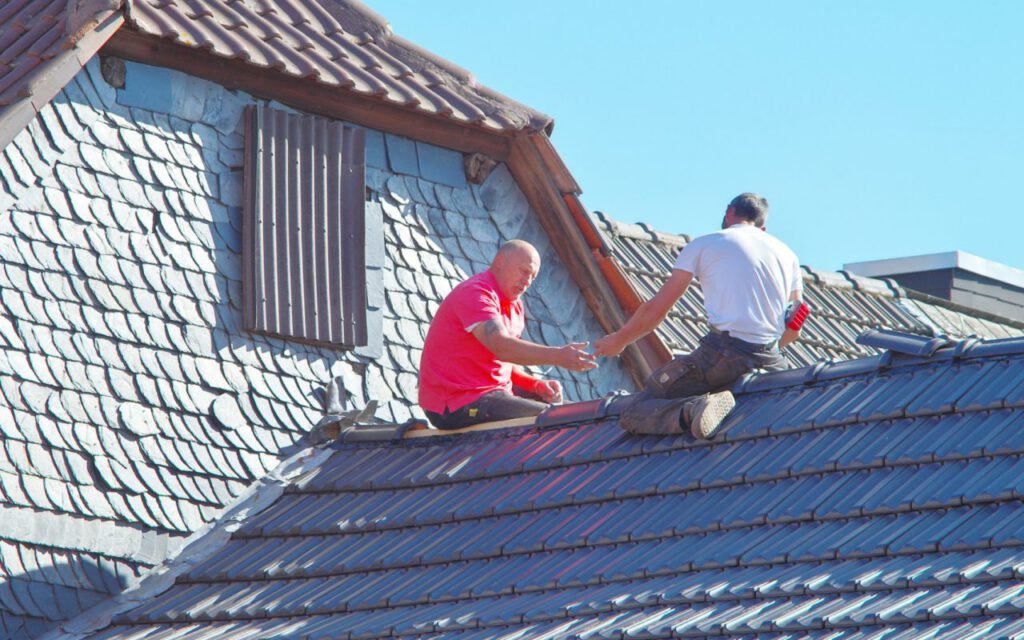
The roof inspection is part of every free site assessment. Marco’s team spends 45 minutes to an hour up top and in the attic. Here is the checklist they work through:
- Surface condition. Curling, cracked or missing shingles, granule loss in the gutters, and broken or slipped tiles.
- Flashing and penetrations. The metal around vents, chimneys and skylights is a common leak source, and panels can make these harder to reach later.
- Soft spots. We walk the roof carefully and feel for a spongy deck, which usually means water damage to the plywood below.
- Rafters and framing. In the attic we check rafter size and spacing, look for sagging and note any old water stains.
- Shading. Trees, neighbors’ second stories and chimneys all get mapped so the design avoids them.
- Electrical panel. Not on the roof, but part of the same visit. Older panels sometimes need an upgrade to handle solar.
Small repairs that make a big difference
Most homes need a few small fixes, not a new roof. Replacing a handful of cracked tiles, resealing flashing around a plumbing vent, or swapping a worn pipe boot costs a few hundred dollars and is far easier to do before the array goes on. Our crews can handle many of these during installation, and we will tell you in writing which ones we recommend.
Tile roofs deserve a special note. To mount panels on concrete or clay tile, we lift tiles, install a flashed mount on the deck, and set the tiles back or replace them with a flat mounting tile. A few tiles always break in the process, so we bring matching spares. If your tile is an older or discontinued profile, it helps to find a stack of extras in the garage or from your builder before install day.
We would rather tell you about a $300 repair now than watch you pay $4,000 to move panels in five years.
Marco Silva
When a new roof makes sense first
If your roof is near the end of its life, replacing it before solar is almost always the better move. You avoid the cost of pulling panels later, you get a fresh warranty on the roof under your new warranty on the array, and the job is cleaner overall.
We coordinate with local roofers regularly, and the scheduling usually looks like this: the roofer finishes, we inspect their work, then our crew installs within one to three weeks. Some homeowners ask the roofer to install the solar mounts during the reroof so the flashing is integrated into the new roof from the start. That can work well if both crews agree on the plan in advance.

What you can do before we arrive
A few easy steps help the assessment and the install go smoothly:
Find your roof paperwork. Any receipt, warranty card or permit showing when the roof was installed is useful. If you bought the home recently, your inspection report may list the roof’s estimated age.
Clear attic access. We need to reach the attic hatch, which is often in a closet or the garage ceiling. Moving boxes ahead of time saves 20 minutes.
Trim overhanging branches. A tree that shades the array at 2:00 p.m. in December can cut production more than you would think. Trimming before the design means we can use more of the roof.
Note any past leaks. Even a leak that was fixed years ago is worth mentioning. We will take a closer look at that spot.
A word on HOAs
California law limits how much an HOA can restrict solar, but most associations still ask to see plans first. If you live in a planned community in Carmel Valley, Rancho Bernardo or similar neighborhoods, let us know early. We prepare the drawings your HOA asks for as part of the job.
How we protect your roof during install
On install day, our crew uses flashed mounts sealed to the deck, not just to the shingle surface. Every penetration is sealed and flashed so water sheds around it. We photograph each mount before panels cover it, and those photos go into your project file so you have a record.
Our workmanship warranty covers roof penetrations we make for ten years. If a leak ever shows up near one of our mounts, we come back, find the cause and fix it at no charge.
Looking ahead: the future reroof
Even a well-prepared roof will need work someday. If you ever need to replace the roof under your panels, call us first. Our crew removes the array, stores the panels safely in your garage or on a padded rack, and reinstalls them after the roofer finishes, with new flashing on every mount. Planning that work around the dry months, from May through October, keeps the system offline for as short a time as possible, usually one to two weeks.
It also helps to keep your gutters clear once panels are up. Leaves and debris tend to collect under the lower edge of an array, and water that cannot drain can back up under shingles. A quick look from a ladder each fall, before the first winter rains, is enough for most homes. If you would rather not climb, our annual check-up includes it.
Common questions about roofs and solar
Will panels void my roof warranty? Some roofing warranties have conditions about penetrations. We review yours if you have it and use mounting methods most manufacturers accept, but it is worth asking your roofer directly too.
Do panels shade and protect the roof? They do, a little. The section under the array gets less direct sun and heat, which can slow wear on that part of the roof. We would not count on it as a reason to skip a needed repair, though.
A healthy roof is the foundation of a solar system that quietly does its job for decades. If you are not sure where yours stands, book a free site assessment at 555-0157 and Marco’s team will give you a straight answer, even if that answer is to wait a year.
The tip about finding spare tiles is gold. We had a stack in the garage we never knew about.
Our roof is 17 years old. Sounds like we should reroof first. Appreciate the honesty.